
http://www.nytimes.com/2006/03/26/opinion/26sun2.html?_r=1&oref=slogin
culled from NEW YORK TIMES EDITORIAL
Sunday March 26, 2006
When President Olusegun Obasanjo of Nigeria visits Washington this week, he will probably be lauded for his crucial role as a regional African leader. During his seven years in power, Mr. Obasanjo helped end Liberia's civil war by taking in the strongman Charles Taylor and refused to accept a coup in Togo. He was instrumental in making sure that the African Union did not destroy its international credibility by installing Sudan's president, Omar Hassan al-Bashir, as its head despite the continuing carnage in Darfur. President Thabo Mbeki of South Africa, the continent's other big player, could learn a lot from Mr. Obasanjo about how to use his country's economic and military strength to promote peace and stability around the region.
Unfortunately, while Mr. Obasanjo deserves credit for good deeds outside of Nigeria, his own country is deteriorating fast and he is partly to blame. For one thing, by trying to change Nigeria's Constitution to allow himself to run for a third four year-term as president, Mr. Obasanjo is further enflaming political tensions among Nigeria's polarized ethnic groups, particularly the Muslims in the north and Christians in the south.
Nigeria lost more than 100 people in tit-for-tat sectarian rioting over Danish caricatures of the Prophet Muhammad. In the north, Muslims attacked and killed Christians. In the south, Christian mobs wielding machetes and knives set upon their Muslim neighbors in retaliation. And in the Niger delta, militants seeking more local control over oil money have attacked pipelines and even captured oil workers.
Fueling some of this is the perception, right or wrong, that Mr. Obasanjo's much vaunted anti-corruption campaign concentrates only on critics of his government. Certainly, bad things continue to happen to foes of the Obasanjo government. Three months ago, the wife of a prominent northern politician was found stabbed to death in her own home. Nothing was taken from the house, leading many to conclude that that her killing was a warning to her husband, Abubakar Rimi, a crucial member of a coalition of powerful northerners opposed to any extension of Mr. Obasanjo's rule. And, last week, police arrested Mr. Rimi and other opposition leaders for trying to hold a peaceful rally.
The last thing Africa needs is its most populous country - Nigeria has between 120 million and 150 million people - in a civil war. An out-of-control Nigeria would undermine its already fragile neighbors like Liberia, Togo, Ivory Coast and the Congo.
In his two terms, Mr. Obasanjo has helped bring stability to a volatile region. But two terms is enough, and it is incumbent on President Bush to tell Mr. Obasanjo that changing his country's Constitution so that he can remain in office is foolhardy. Another four years is not worth a Nigerian civil war.
Read Nigeria's Response To This Article
RETURN



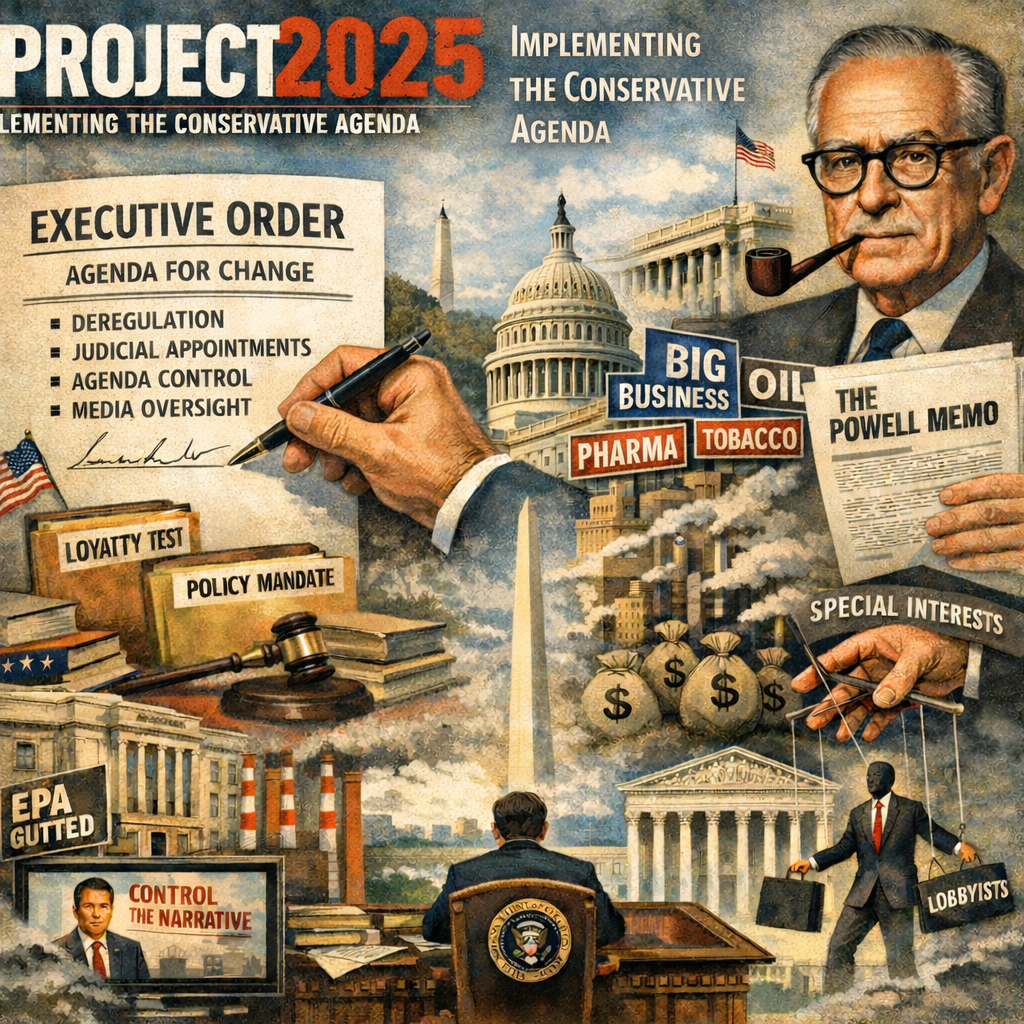
From the Powell Memo to Project 2025: How a 1971 Corporate Strategy Became a Global Template for Power In August 1971, a corporate lawyer named L...
The Market’s Mood Ring: How Volatility Across Assets Traces a Hidden Geometry of SentimentIf you want a fast, honest way to describe modern markets,...
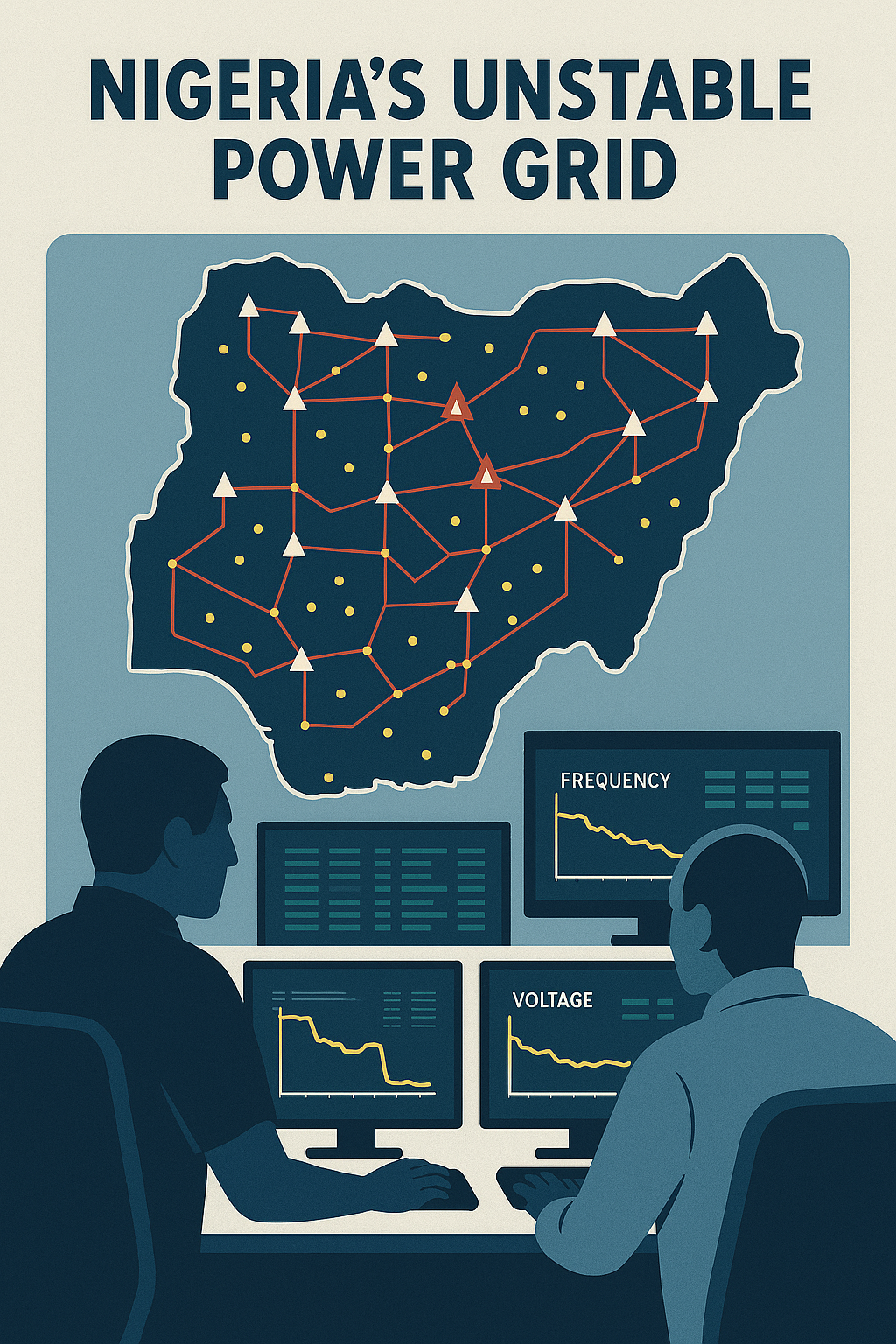
Nigeria’s grid collapses are not ‘bad luck’ – They are a design failure, and we know how to fix themFirst published in VANGUARD on February 3,...
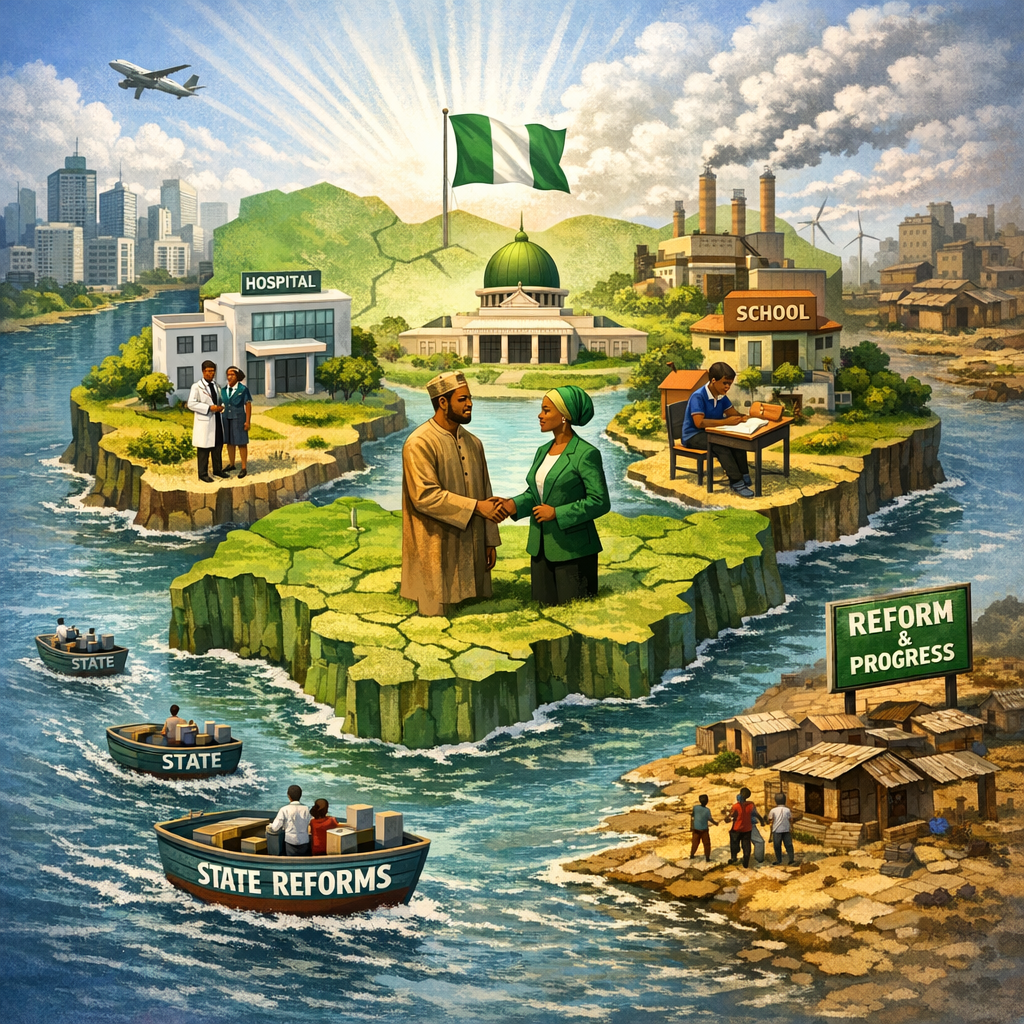
Islands of Credibility: Nigeria’s Best Reform Strategy Starts in the StatesFirst published in VANGUARD on January 31, 2026 https://www.vanguard...
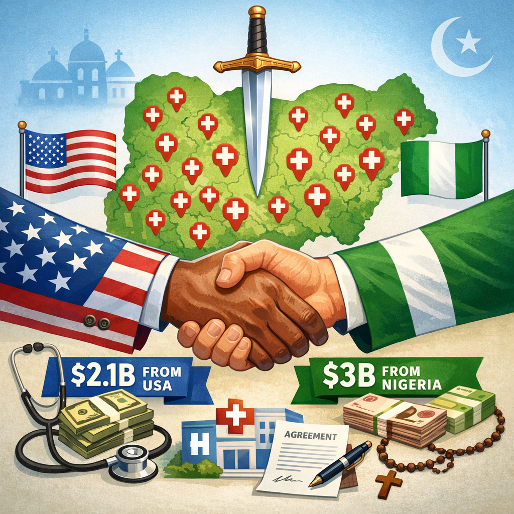
Project 2025 Agenda and Healthcare in NigeriaThe US and Nigeria signed a five-year $5.1B Memorandum of Understanding (MoU) on December 19, 2025, to bo...


Social & Political Issues / Feb 08, 2026
From the Powell Memo to Project 2025: How a 1971 Corporate Strategy Became a Global Template for PowerSocial & Political Issues / Feb 06, 2026
The Market’s Mood Ring: How Volatility Across Assets Traces a Hidden Geometry of SentimentSocial & Political Issues / Feb 06, 2026
Nigeria’s grid collapses are not ‘bad luck’ – They are a design failure, and we know how to fix themSocial & Political Issues / Jan 31, 2026
Islands of Credibility: Nigeria’s Best Reform Strategy Starts in the StatesSocial & Political Issues / Jan 25, 2026
Project 2025 Agenda and Healthcare in Nigeria© 2026 Segun Toyin Dawodu | All rights reserved